For every tree removed, Ascent Tree Care pledge £5 to the National Trust ‘Plant a tree” project. Enough to cover the cost of one new sapling. Read more

Trees
Prune, reduction, removalNature’s largest living structure and the lungs of the planet! It is important then, that trees are treated with our respect and given the attention required to maintain them. Ascent Tree Care’s artisan approach to the wellbeing of your tree will ensure the tree’s integrity is held in the highest regard whilst working toward achieving your practical needs. Resulting in the tree’s natural appearance remaining intact, irrespective of the work carried out.
Prune
Whilst the general size of the tree does not change its new appearance can be dramatically different. A general prune will constitute some or all of the below in varying amounts dependent on each particular tree.
-
- Crown thinning (Removal of internal branches to improve air circulation and appearance)
-
- Crown Lift (Removal of lower branches)
-
- Target Pruning (Pruning in such a way that branches are left in place of those being removed)
-
- Crossing / Rubbing branches (Unsightly and results in damage to the tree’s cambium layer. (like our skin))
-
- Deadwood (Deadwood gives biodiversity to trees but is weak and can break off. A falling branch from height can be extremely dangerous)
-
- Limb / Branch Removal (Removing a specific problematic limb/branch)
Reduction
Primarily reduces the height but includes the entire tree. By target pruning larger branches away and leaving smaller ones in place a new height is achieved that maintains the natural structure of the tree. This gives an entirely different effect to Pollarding or ‘Lopping’ where the trees structural integrity is forever lost and the tree’ s health compromised. Not only that, the desired result is counter effective. The ‘quick fix’ results in exponential growth of new branches resulting in an increase of foliage density.
Pollarding historically is unfortunately quite common and once a tree has been cut in this way it is required to be maintained in a pollard cycle, repeating the work every few years. If not, the weak point from which it grows is prone to fail due to the weight of the limb/branch.
Removal
Sometimes a tree outgrows its environment or its health deteriorates to the point it becomes unsafe. When a tree is stressed or damaged it is exposed to disease, pests and fungus generally referred to as pathogens. If the tree is unable to ward off the pathogen eventually its structure is compromised. This could result in shedding branches or a failure in its root plate causing the whole tree to fall. Each pathogen effects the tree differently causing different results.
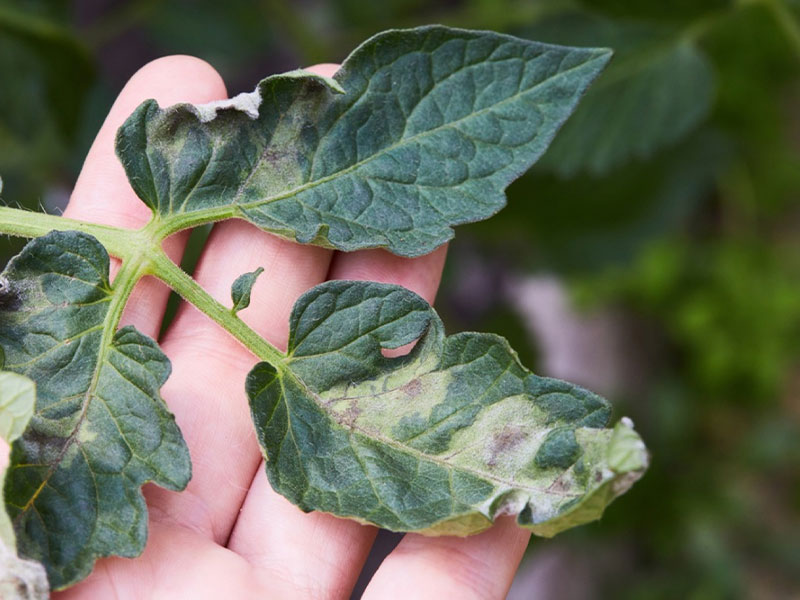
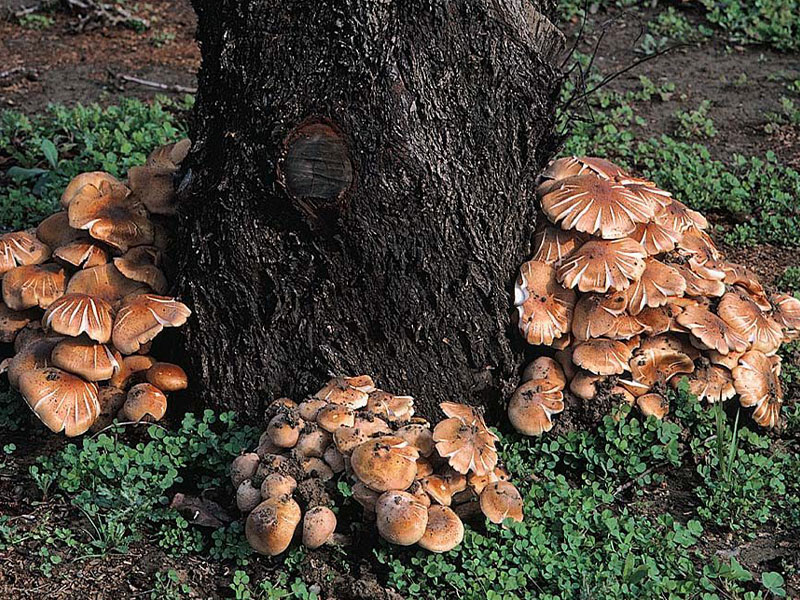
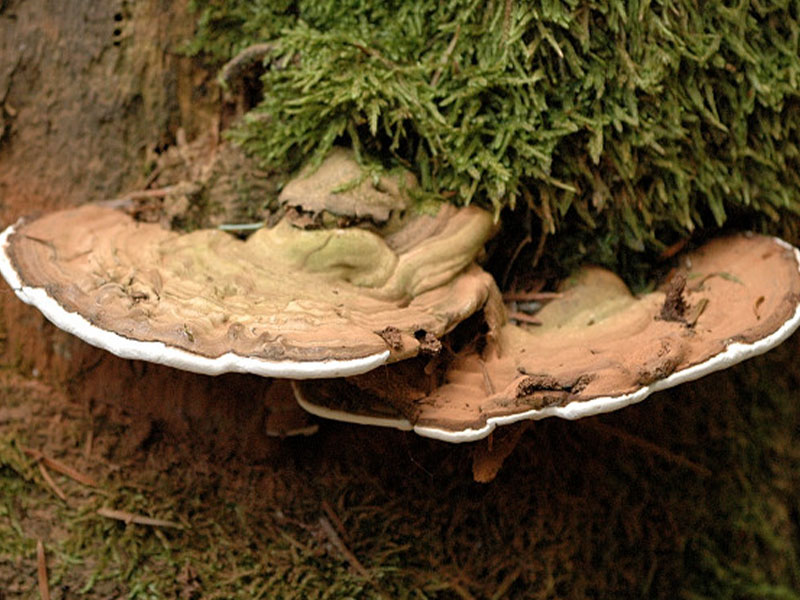
Examples of some pathogens –
Phytophthora
Meripilus

Armillaria (Honey Fungus)
Ganoderma
Felling
(a way in which to cut the tree down from the base, controlling the line of fall)
Sectional Dismantle
(climbing the tree to cut it down in sections)
Rigging
(used to remove large sections that can not be dropped to the ground)
Stump Removal
Ascent tree care are happy to advise as to the best course of action when removing a stump. Smaller stumps can often be removed without the use of machinery and only costs the time and effort necessary to dig around the root plate and leverage it out. This can take a long time however and is labour intensive.
The alternative is to use a stump grinder. The advantage of this is that a large stump can be removed relatively quickly with considerably less effort. However, access needs to be achievable and the stump mustn’t be situated close to anything metal or concrete which could damage the machine’s cutting teeth. Similarly, the stump can’t be too close to anything that can be damaged in the process such as an underground cable for example.
If a stump can’t be removed, a safe, clean, targeted attack on the root system can be achieved using Eco Plugs. The plugs are placed in drilled holes around the circumference of the stump and release granular glyphosate stopping any re-growth. Other options are to make the stump a feature by using it as a plinth for a potted plant or if you are feeling creative, a larger section of the trunk can be left and a carving can be made from it.
Logs & Chip
Wood chip makes excellent mulch for gardens and can be left onsite if requested. Similarly with timber, however this does not include processing into logs. Leaving the wood chip and timber onsite can sometimes reduce the cost of the job particularly in regards to wood chip.
Otherwise all arising and waste will be cleared from site and taken to be used for biofuel.
Tree Planting
There is a lot to consider when planting a tree. The most common mistake made is to underestimate the space required when a tree is fully grown! It is important to choose the right tree for the right situation. Big or small, evergreen or deciduous, fast growing or slow growing all can be an advantage or disadvantage depending on the environment. There are literally hundreds of different varieties that will produce different coloured leaves and flowers so it is important to do your research.
Planting a tree is a big responsibility as it is likely to outlive you, so make sure you do it well and give the tree its best chance of survival by getting some professional help.
Tree Preservation Orders (TPO), Sights of Specific Interest (SSI) & Conservation Areas
Any part of a tree that is within your property boundary can legally be removed if done professionally, unless it holds a TPO or is within an SSI or Conservation area. Adherence to these restriction is a legal requirement and failure to comply can result in a fine upwards of £20,000. There is also a more general duty of care in maintaining trees that encroach on a public space or neighbouring properties. Low hanging branches and deadwood can become dangerous. Liability for damage or injury caused by a tree is the responsibility of the land owner from which the tree grows.
Working on a tree with a TPO requires an application to the local planning authority. This will detail the species of tree, proposed works, and map to pinpoint the tree’s location. After this, a notice is placed nearby informing the public of the intended works. Following this period, providing no appeal is made, work can be carried out.
This process is taken care of for you by Ascent Tree Care to ensure a hassle free experience with no mistakes.
I believe small things count and take the time to discover your needs and accommodate them wherever possible.
Our services cover domestic tree and garden work local to the Reading and Oxfordshire area.
Oliver Klemba – Owner Ascent Tree Care